

Georg Ripperger
Drilling Engineer, OMV, WPC YPC Representative, Austria
Like many people, I had not heard about COVID-19 before the beginning of this year or anticipated the impact a pandemic would have on our economy, private life, and the way we work. On March 18th, I was participating in a training session with 90 colleagues, when our management suddenly announced that the rest of the training was cancelled, and that everybody would be evacuated to their home countries. Just a few days later, governments started to impose the first lockdowns.
Fortunately, the oil and gas industry has invested heavily in digitalization over recent years. As the world came to a sudden stop, my company and others across the industry were able to benefit from these digitalization projects. They were essential enablers to a smooth and rapid switch from being in the office to working virtually.
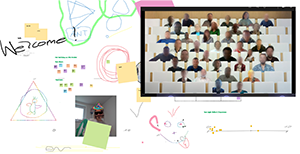 The pandemic also acted as a catalyst to speed up other digitalization projects: move more data into the cloud, form new communication channels to compensate for missed physical interactions, and rapidly increase the number of virtual meetings. During these virtual meetings, time dedicated to informal, non-business topics proved beneficial in fighting psychological stresses caused by isolation.
Recently, virtual whiteboards proved to be another successful technology. They encourage creativity and collaboration, allowing better engagement in online meetings.
As many countries move into another wave of lockdowns, companies that have advanced digitalization feel prepared. Those that are well equipped with new technologies and curious to see the range of further innovative technologies and practices will continue to cope well and more efficiently with this new working style.